Public Charging Strategies for EV Drivers Without a Driveway
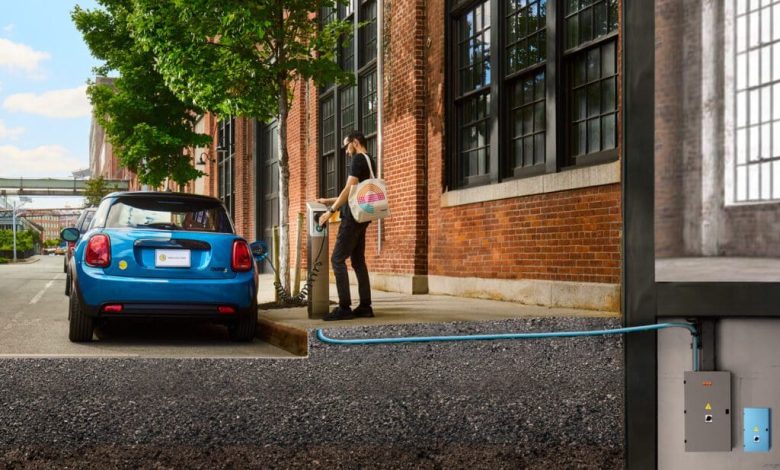
If you don’t have a driveway, car charging still works. It simply needs a different routine, based on short top-ups while you shop or work rather than one big weekly charge.
Stop waiting for empty
If you learned to drive with petrol, you may be used to running the tank low, filling it quickly and forgetting about it until the next stop.
That habit makes life harder for drivers without a driveway. If you wait until the battery is low, every charge feels urgent. You end up driving out of your way or sitting around waiting for a full battery when you don’t actually need one.
Top-up thinking is calmer. You add charge while the car is already parked, perhaps taking 30 miles here and 40 miles there. The aim is to keep enough range in reserve, rather than repeatedly needing an urgent charge.
Look for useful charging opportunities during the time your car spends parked. They sit outside shops for an hour or near work for most of the day. They wait on our street overnight while we sleep. A pause near a suitable available charger is a chance to add range without making a separate trip.
That small change can make the routine less stressful.
Try planning around your actual week. Instead of setting one charging day, you could fit several shorter sessions around food shops and shifts, provided suitable chargers are available. One session might be slow, while another might be quick. Keeping a sensible reserve for daily use also makes an urgent, last-minute charging trip less likely. Follow the vehicle maker’s guidance on routine charge limits, as recommendations differ by battery and model.
Make slow chargers do the heavy work
Public rapid posts are useful, but slower posts are worth checking for everyday stops when you have time to leave the car parked.
At a destination charger, check the advertised AC power rather than assuming every post offers the same speed. It won’t fill a car in minutes, but it will add useful range while you do something else. An hour at the supermarket can add useful range, while a longer stay at a gym or retail park may cover several routine journeys. The actual gain depends on the post, the car’s AC limit and your energy use.
That’s why these posts should be your default. They may cost less per unit than rapid posts, but tariffs vary, so check before connecting. They also let you combine charging with an activity instead of waiting in the car.
Start by listing the places where you already spend time. Your weekly shop is the easiest win, followed by your gym sessions. If you visit family or use a park-and-ride, check what is nearby. You don’t need a charger at every stop. Start with a few reliable spots that you visit anyway, then check whether they can cover your actual mileage.
Speed matters less here than habit. Compare the energy you need with the time available and the power your car can accept. A higher-rated post is useful only if the car can make use of the extra power. Don’t chase the fastest post in town for routine top-ups. Choose the one that lines up with your life.
Plug in while you shop, then unplug and go.
Top up when you stop is the rule to remember. Don’t hunt for a full battery when a useful pause will give you the range you need.
Use work as your second driveway
If you commute, work can replace the driveway you don’t have.
Some workplaces have AC posts in the staff car park. When you park for eight hours, speed isn’t the priority. Work out how often you would need access to cover commuting and evening trips, allowing for days when the post is unavailable. In practice, it feels much like home charging without the driveway.
Ask what is available. Some sites have a simple rota or booking system. Others let you plug in for the morning and move at lunch so somebody else can use the post in the afternoon. Learn the local arrangement and stick to it. Colleagues will be happier to share if you move your car on time.
If there is nothing yet, ask about it. Your employer may not know that you would use workplace charging until you ask. You don’t need to make a long pitch. Explain that you drive electric, don’t have home charging and would find a few slow posts useful while staff are parked all day.
Shift workers get extra value here. Nights and weekends can mean empty car parks with no queue, so you can plug in at the start of a shift and collect the car with plenty of range at the end. It’s the closest thing to overnight home charging without a driveway. Talk to the facilities team as well as your manager, since they know what power is available.
Map the chargers you will actually reuse
A short list of dependable options can save drivers without home charging from a long search every time.
Draw a rough ring around your usual week. Include home and work, then add the supermarket and gym you use most. Add any other regular stops so the map reflects your own driving. Look for chargers that sit along those routes rather than ten minutes away from them.
Aim for a useful mix. Pick one or two slow posts where you spend time and one fast post near a main road for difficult days. If your street has them, add an on-street post near home for overnight top-ups. Once those options are set, you can stop improvising every time the battery gets low.
On-street posts deserve a closer look. Some streets have lamppost chargers that suit overnight stays. If considering a cable connection from home, ask your council what arrangements it accepts before planning any installation across a footway. If you rent, involve your landlord before proposing any physical change.
Walk around the sites once to check lighting and access. Note how you pay and whether the bays tend to be blocked in the evening. A post that looks good online can be difficult to use at 9pm, while an unremarkable one might be free every morning.
Keep the list on your phone. Note which post is Plan A for each errand and which is Plan B. After a couple of weeks, you’ll use the list without thinking.
Check the details before you drive
A quick check before leaving can help you avoid a wasted trip, although it cannot guarantee a free bay when you arrive.
Open your usual locator app before leaving. Locator services may show operator status, availability or recent driver check-ins, depending on the post and data source. Look for recent evidence that a suitable connector is working, while remembering that status can change before you arrive. Don’t trust a pin that hasn’t recorded a successful charge in weeks.
Filter the results by connector. Check which connector your own car uses for rapid and AC charging. Do not assume a CCS, CHAdeMO or Type 2 result is compatible just because it appears nearby. Set the filter once in each app so that you only see posts your car can use.
Then check the speed and price. Posts in the same car park can have different speeds and fees. A slow post may suit a two-hour stay, whereas a rapid post suits a twenty-minute stop. Pick the speed that fits the time you’ll be there rather than automatically choosing the fastest name on the list.
Payment is another possible source of friction. The public network is split across names such as BP Pulse, InstaVolt, Osprey and Pod Point. You do not need every app, but check the payment method for each regular post and keep a workable backup. A roaming service may provide access to several participating networks through one account, although coverage and payment options can change. Keep your most-used networks saved. You can check a roaming app, or simply find an ev charging station directly on your preferred network’s locator page before setting off.
Save your favourites. After a week, planning should take seconds.
Save rapid charging for when it counts
Rapid posts are the premium tool. Keep them for trips and deadlines rather than making them part of your daily routine.
Rapid and ultra-rapid labels vary between operators, but both refer to DC charging intended for shorter stops. Charging power generally tapers as the battery fills. Review whether you have enough for the next leg as the session progresses; the right departure level depends on the car, route and available backups.
Battery warmth affects charging speed. A cold battery pulls less power. Some cars can prepare the battery on the way to a rapid stop when the charger is set as the navigation destination. If your car supports this feature, follow its instructions, particularly in cold weather.
Pair rapid stops with a break. Motorway services work well because you can use the toilets and get a coffee while the car charges. Plan the stop around the energy needed for the next leg and a sensible reserve. Where possible, choose somewhere you would want to rest rather than waiting until the battery is nearly empty.
Rapid is for trips, slow is for routine is a useful way to keep costs in check. Compare the actual tariffs: charging speed alone does not tell you the price. If suitable slow posts cover your normal week at a lower tariff, you can reserve dearer stops for when their speed is useful. Check the monthly cost and time spent to see whether the arrangement works for you.
Handle shared chargers and long trips
Public posts are shared, so considerate habits help keep them moving.
Don’t treat a charger as an ordinary parking bay. Charge, then move. Set alerts in the app so you know when the car reaches your chosen charge level or when charging stops, and return promptly. Check the site’s charging, parking and overstay terms before leaving the car. Staying nearby makes it easier to return when your session or permitted stay ends.
Learn the unwritten rules. Never unplug another car, and only park in an EV bay when you’re charging. Don’t sit on a rapid post all the way to 100% while others wait. If you need only 60% to reach your next stop, take 60% and continue your journey.
Long trips need a separate plan. Rather than relying on one big stop, split the route into shorter legs with a rapid post every hour or two where you can rest. Check connector coverage for your exact plug before leaving. A hub with eight CCS posts may have one CHAdeMO post or none at all, so know which connector you need.
Always have a Plan B. Save a second post a few miles beyond your first choice. If the first hub is full or out of service, you can keep driving instead of joining a queue. That backup takes thirty seconds to save and removes much of the fear that stops new drivers from enjoying electric driving.
You don’t need a driveway to make electric driving work. A few slow spots you trust and a fast backup may form a workable routine, if their availability and charging capacity match your mileage. Build that ring once, then make a quick check before each drive. The rest becomes habit, and the car fits your week instead of the other way round.