How to Maintain the Performance of Your Hyundai Hatchback as It Ages
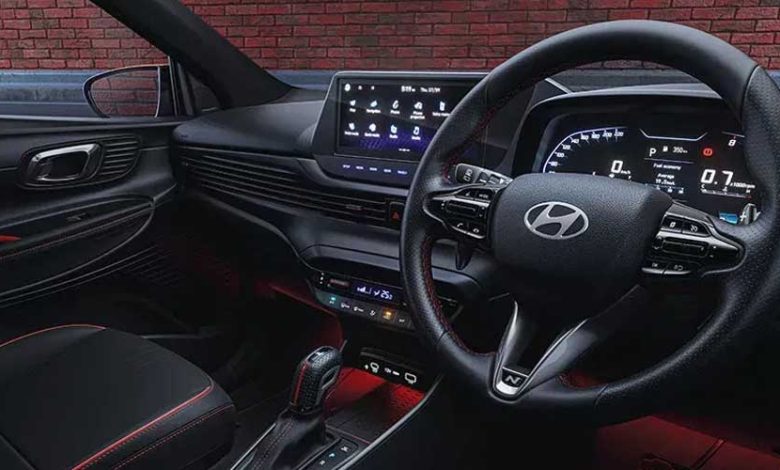
A Hyundai hatchback with 150,000 on the clock isn’t a problem. It’s an asset. But you manage it differently than you did when it had 30,000, because the vehicle hasn’t failed, it has simply entered a phase where reactive maintenance gets expensive quickly, and small doses of preventive maintenance pay dividends. The key is knowing which systems to give a little love to, and which to pour your wallet into.
Rethink Your Oil Before Anything Else
Engine oil is the least expensive engine insurance you can buy, and most owners do not realize how the requirements of an aging engine change. With increased mileage, internal clearances increase, which allows a standard viscosity oil to thin out faster under heat, resulting in less protection of metal surfaces than optimal.
By switching to a high-mileage synthetic oil, typically of a slightly higher viscosity grade, you can top up on film strength in an older engine, as well as address seal wear better than standard oil, which reduces the slow oil consumption many owners think is a given with an old engine. Shortening your change interval slightly, let’s say every 7,000 kilometers instead of 10,000, is peanuts compared to the cost of a worn engine. Do it religiously, and the engine will hold up far longer than most people’s expectations.
Source Parts Intelligently – it Changes the Economics
Many people tend to give up on their older hatchbacks too soon because they estimate repair costs based on dealership retail prices. However, this is not the only alternative, nor the best one in many cases.
Auto wreckers and parts suppliers carry genuine, tested components obtained from low-mileage vehicles, which have the same OEM specification as new parts for a fraction of the price. Western Australian owners, for instance, can make significant savings on Hyundai Spare Parts in Perth sourced from experts in these vehicles as opposed to dealers, who apply their margins to the parts and their repair costs. For hatchbacks that no longer hold the value of the new car, this keeps the repair-to-value ratio rational.
The structural and mechanical components worth prioritizing in these channels are of high quality: alternators, starters, door assemblies, window regulators, and cooling systems. Where it matters, new brake pads, timing belts, and seals should be purchased, and money should be spent smart on everything else.
Suspension and Handling: Don’t Accept the Slow Deterioration
Some of the first parts to wear out and make themselves known will be suspension and steering components such as tie rod ends, control arm bushings, and nonserviceable ball joints and wheel bearings. These won’t strand you by the side of the road and might not even be bad enough to permit noticeable wheel movement, yet they may well have enough slop to create a vague, uncertain feeling in the wheel.
Cooling System: The One You Can’t Gamble With
Getting too hot is the number one killer of engines in older hatchbacks. And all of the cooling system, water pump, thermostat, radiator hoses, and coolant, does a lot of work over the car’s life. Hoses get old and brittle and eventually collapse internally. Thermostats start to stick. Water pumps get a slow weep that’s not noticeable until the temp gauge goes up.
A preventive refresh of those parts around 120,000-150,000 km is the best money an owner can spend. Not sexy, but that’s the kind of maintenance that gets a car to 250,000 km. While you have the cooling system open, you might as well pressure-test the radiator cap and check the overflow reservoir too.
Electronic Sensors: Small Parts, Big Fuel Economy Impact
New hatchbacks like the one mentioned rely on a dizzying array of sensors to manage fuel delivery and emissions. And as those sensors age, the oxygen sensors and crankshaft position sensors are usually the first to start reading slightly out of their expected range. An O2 sensor that’s reading too high can cause the engine to run rich (burning excessive fuel without an obvious drivability problem to clue you in; you’ll just notice your fuel economy getting steadily worse).
Other sensors going on the fritz can trigger the check engine light (causing you to lose two or three MPG), but chasing down and replacing a bad sensor is a pretty easy and relatively cheap repair. Replacing the engine because it’s been running too rich and too long? Not so much.
Keeping the Hatchback Running its Next Chapter
An average passenger vehicle currently has around 11 years of life on the road (Australian Bureau of Statistics), so maintenance for older cars is something that daily drivers just need to get used to. Our hatchbacks are really tough cookies so long as they’re given the right care and attention. The ones that withstand the test of time are the ones driven by people who see maintenance more as an investment that repays them many times over, and less of a series of panic situations.