Beyond the Headline Price: How to Compare Van Adverts Properly
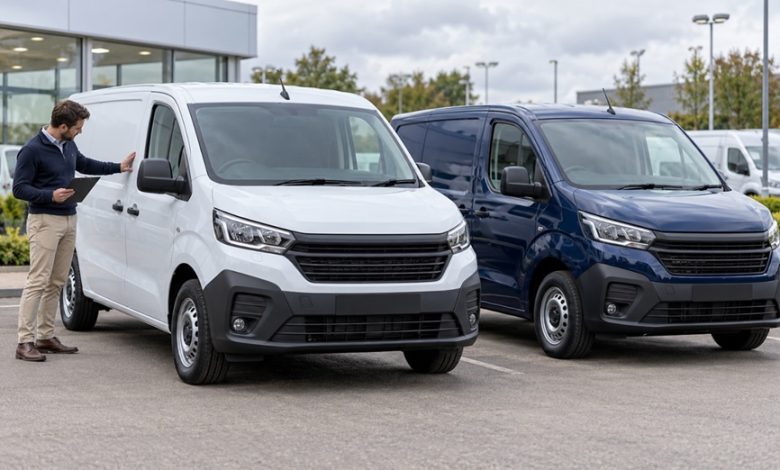
Two browser tabs, two similar-looking vans and two very different prices. It is a familiar starting point for business owners exploring Van sales, yet the photographs and headline figures rarely explain the whole difference. One vehicle might include equipment the other lacks. One price might depend on a particular funding arrangement. Even the apparently identical bodywork can conceal differences in carrying capacity, specification and registration status.
A useful comparison begins by establishing exactly what each advert offers. Once the details are lined up, it becomes easier to distinguish a suitable purchase from an attractive-looking listing.
Start With the Full Vehicle Description
A model name is only the beginning. Within the same van range, buyers may encounter several body lengths, roof heights, engines, gearboxes and trim levels.
That matters because an advert can look remarkably close to another while describing a vehicle with a different working purpose.
A shorter version might suit a maintenance engineer visiting residential properties. A longer version could better accommodate a flooring contractor’s materials, but require more thought about parking and access.
Find the full derivative description for each shortlisted vehicle. If an advert uses broad wording such as “high specification” or “business edition”, ask for an itemised equipment list rather than assuming what those phrases include.
Also establish whether the photographs show the actual van. Promotional images can help illustrate a model, but the wheels, paint colour, seating and accessories pictured may differ from the vehicle being quoted.
Put Every Price on the Same Basis
The largest number on the screen often receives the most attention. The smaller words beside it deserve just as much.
First, establish whether the figure is an outright purchase price, a monthly payment or an initial payment. Then check whether VAT is included and whether any compulsory fees sit outside the advertised amount.
For funded vehicles, request a written breakdown showing the initial payment, regular payments, agreement length, fees and any final payment. Establish what happens at the end, including whether ownership transfers or the vehicle is returned.
These details should be clear before comparing offers. A lower monthly figure may reflect a larger payment at the beginning, a longer term or a different end-of-agreement arrangement.
A useful comparison lets you explain the price difference in ordinary language.
If you cannot explain why one offer costs less, there is probably still a detail to clarify.
Separate Working Equipment From Attractive Extras
Some features earn their place through daily use. Others are mainly a matter of preference.
A reversing camera could be valuable for a driver regularly manoeuvring in confined yards. Air conditioning may matter to someone spending much of the day behind the wheel. Suitable load-area lighting can make early starts and evening unloading easier.
Large alloy wheels and exterior styling might also appeal, particularly where presentation forms part of the business’s identity. Their value should still be considered alongside the features needed for the work.
Imagine two otherwise suitable vans. One has more decorative equipment; the other includes the access, storage preparation and cab features your team needs. The better choice depends on how the vehicle will be used, rather than the length of its equipment list.
When requesting quotations through suppliers such as www.SwissVans.com, provide the same requirements each time. Consistent information makes the replies easier to assess.
Read “Available” as the Start of a Conversation
A listing being visible does not establish when a particular van can reach your business.
Ask whether the vehicle is physically in stock, allocated for delivery or available to order. Confirm whether any quoted timescale includes preparation, accessory fitting and transport.
This becomes especially relevant when the van needs racking, additional security or specialist equipment before it can start earning.
A vehicle arriving on Monday may still need several appointments before it is ready for work. Equally, arranging some preparation before delivery could reduce the number of separate bookings you need to manage.
Request an expected handover date in writing and ask which parts of the timetable remain subject to change. That gives you a firmer basis for planning jobs and deciding when to release your existing vehicle.
Check What “New” Means for That Particular Van
Buyers should establish the registration status rather than relying on a general description.
Ask whether the van is unregistered, pre-registered or a demonstrator. Confirm its mileage, previous use where relevant, and the date on which its manufacturer warranty began.
These questions help explain differences between otherwise similar listings. They also establish how much warranty cover remains and what documentation should accompany the vehicle.
If accessories or conversions have been added, ask who supplied them and how their warranty arrangements work. Coverage for fitted equipment may be separate from the vehicle manufacturer’s warranty.
A clear answer now can save several telephone calls later if a fault develops.
Finish With a Written Specification
Once you have narrowed the choice, ask for a final quotation tied to the exact vehicle or agreed order specification.
It should identify the derivative, key equipment, agreed accessories, registration status, price breakdown and expected delivery arrangements. Check that anything discussed by telephone appears in the paperwork.
Where practical, inspect or test-drive a representative vehicle before committing. Seat comfort, visibility, step height and the position of controls are difficult to judge from photographs. A van can satisfy the measurements on paper while feeling awkward to use.
The strongest shortlist may contain only two or three vehicles. That is enough when each has been checked against the same requirements.
By this stage, the original headline prices should have a clear explanation behind them. You can then choose with a better understanding of what will arrive, what it will cost and how well it will fit your working day.