The World of Auto Parts: Understanding Components, Quality, and Selection
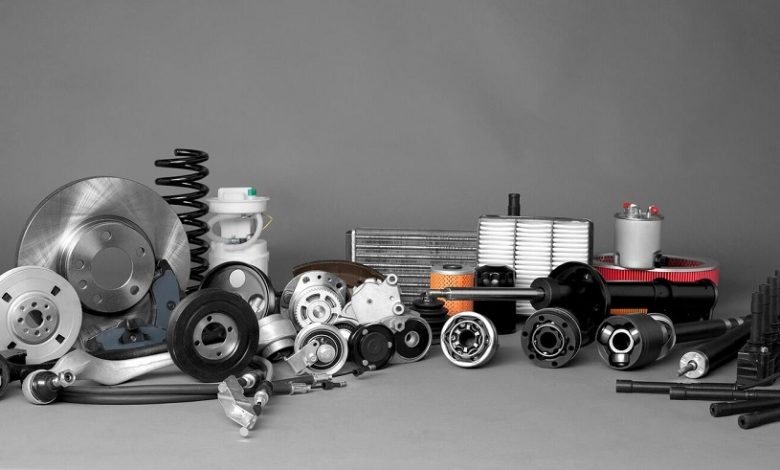
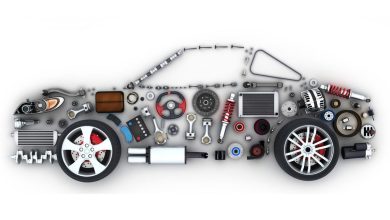
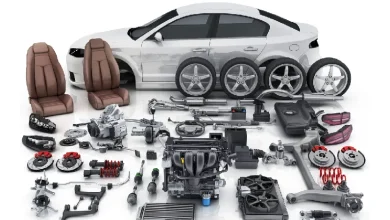
The automobile is a finely tuned machine, relying on a symphony of components to function smoothly. Whether you are a car enthusiast, a professional mechanic, or an everyday driver, understanding auto parts is essential. Each element plays a role in performance, safety, and efficiency. Selecting the right components can enhance durability, while poor choices can lead to frequent repairs and diminished driving quality.
The Importance of High-Quality Auto Parts
Automobiles face constant wear and tear, making the quality of components a crucial factor. Investing in superior auto parts ensures reliability, longevity, and performance. High-quality components contribute to fuel efficiency, improved handling, and enhanced safety. On the other hand, substandard materials can lead to mechanical failures and costly repairs.
When selecting replacement parts, manufacturers’ recommendations should guide the decision. Genuine and OEM (Original Equipment Manufacturer) parts maintain the vehicle’s integrity, ensuring compatibility with existing systems. Aftermarket options can provide affordability, but careful evaluation is necessary to avoid inferior products.
Engine Components: The Heart of an Automobile
The engine is the powerhouse of a vehicle, requiring a range of parts to function seamlessly. Key components include the cylinder block, pistons, camshaft, crankshaft, and timing belt. Each element contributes to power generation, fuel combustion, and mechanical efficiency.
Oil filters, fuel injectors, and spark plugs play a pivotal role in maintaining engine performance. These components must be regularly inspected and replaced as needed to prevent sluggish acceleration, excessive fuel consumption, and mechanical wear.
Transmission System: Ensuring Smooth Power Transfer
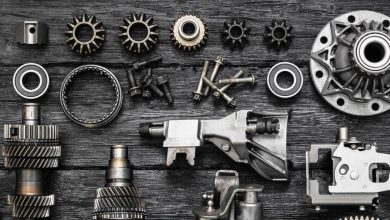
The transmission is responsible for transferring power from the engine to the wheels, allowing the vehicle to shift gears efficiently. Whether automatic or manual, this system relies on components such as the clutch, torque converter, gearbox, and transmission fluid.
Worn-out transmission parts can lead to jerky movements, delayed acceleration, and overheating. Proper maintenance, including routine fluid changes and timely repairs, extends the system’s lifespan and prevents costly breakdowns.
Braking System: Prioritizing Safety on the Road
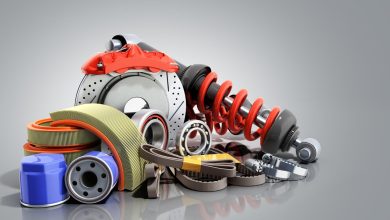
Brakes are among the most critical safety components of any automobile. A well-maintained braking system ensures quick and efficient stopping power, reducing the risk of accidents. Essential elements include brake pads, rotors, calipers, brake fluid, and the master cylinder.
Over time, brake components wear down due to friction. Squeaking noises, longer stopping distances, and vibrations indicate the need for immediate attention. Using high-quality brake pads and regularly checking fluid levels enhance braking performance, ensuring safety in various driving conditions.
Suspension and Steering: A Comfortable and Controlled Ride
A well-functioning suspension system absorbs road shocks, providing a stable and comfortable ride. This system includes shocks, struts, control arms, and coil springs. Damaged suspension parts lead to excessive bouncing, uneven tire wear, and reduced handling precision.
The steering system, comprising the steering column, rack-and-pinion, and power steering pump, ensures responsive control over the vehicle. Any stiffness, noise, or difficulty in turning the wheel signals potential issues that require immediate attention.
Electrical and Electronic Systems: Modern Vehicle Essentials
Modern vehicles incorporate complex electrical and electronic systems that enhance functionality and convenience. The battery, alternator, and starter motor are fundamental to ignition and power distribution. Sensors, ECUs (Electronic Control Units), and wiring harnesses contribute to advanced vehicle operations, including engine diagnostics, entertainment systems, and driver-assist technologies.
Maintaining electrical components prevents unexpected breakdowns. Battery terminals should be kept clean, and alternator performance should be monitored to ensure consistent power delivery. Faulty sensors can trigger warning lights, making timely diagnostics essential.
Exhaust System: Emission Control and Performance Optimization
The exhaust system plays a dual role—reducing harmful emissions and optimizing engine performance. Components such as the catalytic converter, muffler, oxygen sensors, and exhaust manifold work together to regulate pollutants and improve fuel efficiency.
A malfunctioning exhaust system affects both environmental compliance and driving performance. Increased engine noise, reduced fuel economy, and the presence of unusual smells indicate potential issues that require immediate resolution.
Cooling System: Preventing Engine Overheating
Engine overheating is one of the leading causes of breakdowns, making the cooling system indispensable. Key components include the radiator, thermostat, water pump, coolant, and hoses. This system regulates engine temperature, preventing excessive heat buildup.
Regular coolant flushes and inspections help maintain optimal temperature control. A failing thermostat or a leaking radiator can lead to overheating, potentially causing severe engine damage.
Choosing the Right Auto Parts for Your Vehicle
Selecting the appropriate auto parts requires careful consideration of several factors. Compatibility is paramount—each component must align with the vehicle’s make, model, and year. Genuine and OEM parts provide assurance of quality and fitment, reducing the risk of malfunctions.
Aftermarket parts offer variety, often at a lower cost. However, thorough research is necessary to distinguish reputable manufacturers from unreliable sources. Reading reviews, checking certifications, and consulting experts can prevent costly mistakes.
Price should never be the sole determining factor when choosing auto parts. While affordability is important, sacrificing quality for cost savings can lead to frequent replacements and compromised safety. Investing in durable components enhances long-term reliability.
Proper Maintenance: Extending the Lifespan of Auto Parts
Routine maintenance is the key to prolonging the lifespan of auto parts and preventing premature failures. Regular oil changes, tire rotations, and brake inspections contribute to a vehicle’s overall health. Keeping an eye on warning signs, such as strange noises, warning lights, or performance declines, allows for early detection of issues.
Professional servicing ensures that parts are installed correctly and that potential problems are addressed before they escalate. A proactive approach to maintenance reduces unexpected breakdowns, keeping the vehicle in peak condition.
The Value of Understanding Auto Parts
A well-informed approach to auto parts selection and maintenance enhances both driving experience and vehicle longevity. Each component serves a specific function, contributing to safety, performance, and efficiency. Prioritizing quality, performing regular inspections, and making informed purchasing decisions ensure that an automobile remains reliable and roadworthy.