How Auto Parts Choices Shape the Future of Automotive Performance
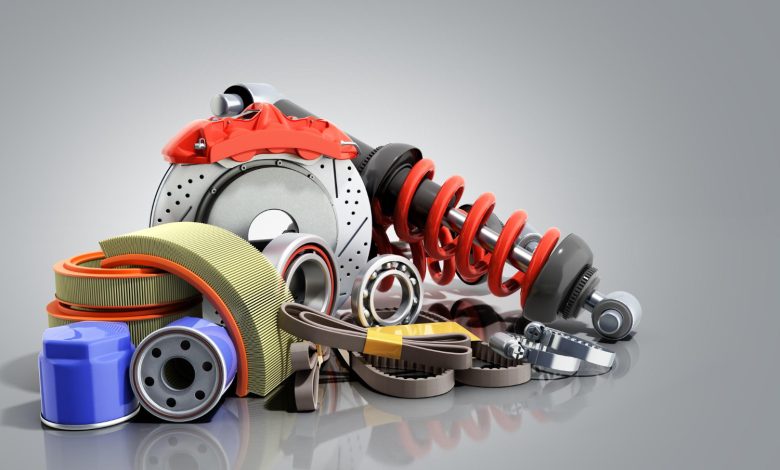
The evolution of automotive performance no longer depends solely on engine size or brand prestige. Today, auto parts selection plays a defining role in how vehicles perform, adapt, and remain competitive in a rapidly changing mobility landscape. From efficiency and durability to sustainability and digital integration, the parts chosen for a vehicle shape not only its present capabilities but also its future potential.
The Shift From Standard Parts to Performance-Driven Components
Modern vehicles are engineered with precision, yet factory-installed parts are often designed for broad usability rather than peak performance. This has fueled a shift toward performance-oriented auto parts that optimize specific outcomes such as speed, fuel efficiency, or longevity.
Key drivers behind this shift include:
-
Rising consumer expectations for smoother, faster, and more responsive driving
-
Advances in materials science, enabling lighter and stronger components
-
Greater access to aftermarket innovations, once reserved for motorsports
As vehicles become more specialized, parts are no longer interchangeable commodities but strategic performance tools.
Material Innovation and Lightweight Engineering
One of the most influential factors shaping automotive performance is material choice. The move from traditional steel to advanced alloys, aluminum, carbon fiber, and composites has transformed how vehicles behave on the road.
Why lightweight parts matter
-
Reduced vehicle weight improves acceleration and braking
-
Enhanced fuel economy and extended electric vehicle range
-
Lower stress on suspension and drivetrain components
Lightweight brake systems, forged wheels, and advanced exhaust materials are now central to both performance cars and everyday vehicles aiming for efficiency.
Powertrain Components and Performance Optimization
The powertrain remains the heart of automotive performance, but its future is defined by smarter, more adaptable components rather than brute force.
Modern powertrain parts emphasize:
-
Precision fuel delivery systems for cleaner combustion
-
High-efficiency transmissions with faster shift logic
-
Advanced cooling components that maintain performance under stress
In electric and hybrid vehicles, the focus shifts to battery management systems, inverters, and thermal controls that directly impact power delivery and longevity.
The Role of Smart and Connected Auto Parts
Performance is no longer purely mechanical. Digitally integrated auto parts now influence how vehicles learn, adapt, and improve over time.
Examples include:
-
Adaptive suspension systems that respond to road conditions in real time
-
Sensor-driven braking components that enhance safety and stopping power
-
Software-upgradable control units that refine performance post-purchase
These intelligent components ensure vehicles remain relevant longer, extending performance life cycles without physical overhauls.
Sustainability and the Future of Performance Parts
Environmental responsibility is shaping auto parts design just as much as speed or power. The future of performance depends on sustainable engineering choices that balance capability with reduced environmental impact.
Key trends include:
-
Recyclable and low-emission manufacturing materials
-
Longer-lasting components that reduce replacement frequency
-
Energy-efficient systems designed for hybrid and electric platforms
Sustainable parts are no longer a compromise; they are becoming a benchmark for high-performance engineering.
Aftermarket Innovation and Custom Performance Paths
The aftermarket sector continues to influence the future of automotive performance by allowing customization beyond factory limits. Enthusiasts and professionals alike use aftermarket parts to tailor vehicles for specific needs, from track racing to long-distance efficiency.
Benefits of aftermarket innovation include:
-
Faster adoption of emerging technologies
-
Greater personalization of driving characteristics
-
Competitive pressure that accelerates industry-wide improvement
This ecosystem ensures performance evolution remains dynamic rather than standardized.
Why Auto Parts Decisions Matter More Than Ever
Every component, no matter how small, contributes to the overall performance equation. As vehicles become more complex, strategic auto parts selection determines how well they adapt to future demands—whether those demands involve electrification, autonomy, or stricter environmental standards.
The future of automotive performance will belong to vehicles built not just with power in mind, but with intelligent, efficient, and forward-thinking parts at their core.
Frequently Asked Questions
How do auto parts directly impact vehicle performance?
Auto parts influence power delivery, weight, efficiency, handling, and reliability, all of which define how a vehicle performs in real-world conditions.
Are performance auto parts only for sports cars?
No, performance-focused parts are increasingly used in everyday vehicles to improve fuel efficiency, durability, and driving comfort.
Do lightweight parts compromise safety?
When engineered correctly, lightweight materials can enhance safety by improving braking, handling, and structural integrity.
How do smart auto parts improve long-term performance?
Smart components adapt to driving conditions, receive software updates, and optimize systems over time, keeping vehicles efficient and responsive.
Is sustainable auto parts manufacturing affecting performance quality?
Modern sustainable materials often match or exceed traditional performance standards while reducing environmental impact.
Can aftermarket parts influence the future of automotive technology?
Yes, aftermarket innovation often pioneers new technologies that later become mainstream in factory-built vehicles.
How should drivers choose auto parts for future-ready performance?
Drivers should prioritize compatibility, material quality, efficiency gains, and upgrade potential rather than focusing solely on short-term power increases.