Mastering the Art of Safe and Efficient Driving

Driving is more than a means of transportation; it is a skill that requires attention, patience, and a firm grasp of road safety principles. Whether navigating busy city streets or cruising along open highways, adopting smart driving habits enhances both safety and efficiency. Understanding traffic dynamics, vehicle handling, and defensive techniques ensures a smoother and more enjoyable experience behind the wheel.
Maintaining Focus and Awareness at All Times
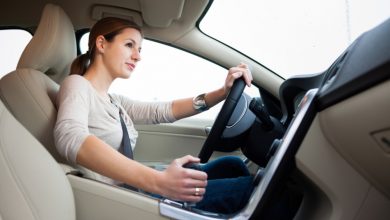
Distractions pose one of the greatest risks to road safety. A momentary lapse in attention can lead to dangerous situations. Keeping both hands on the steering wheel and eyes fixed on the road ahead allows for better control and quicker reaction times. Mobile phones, in-car entertainment systems, and even conversations with passengers can divert attention from crucial driving decisions.
Scanning the surroundings, including rearview and side mirrors, provides a comprehensive understanding of nearby vehicles, pedestrians, and potential hazards. Anticipating movements rather than reacting impulsively contributes to a more controlled driving experience.
Understanding the Importance of Speed Control
Excessive speed reduces reaction time and increases stopping distance, making it a leading cause of accidents. Driving at a reasonable pace allows for better maneuverability and improved handling in unexpected situations. Speed limits are set based on road conditions, visibility, and traffic flow. Adhering to these guidelines ensures a safer environment for all road users.
While maintaining a steady speed is advisable, sudden deceleration or acceleration should be avoided. Gradual changes in speed provide better fuel efficiency, reduce wear on the vehicle, and allow surrounding drivers to anticipate movements more effectively.
Mastering Defensive Driving Techniques
Defensive driving is a proactive approach that minimizes risks by predicting and preparing for the actions of others. Keeping a safe following distance, typically the three-second rule, prevents abrupt braking situations. This distance should be increased during adverse weather conditions, as rain, snow, or fog can affect traction and visibility.
Being mindful of blind spots when changing lanes or merging onto highways reduces the likelihood of collisions. Checking mirrors and turning one’s head briefly ensures a clear path before making any maneuvers. Additionally, maintaining a calm and composed attitude helps prevent impulsive decisions that could lead to hazardous outcomes.
Adjusting to Weather and Road Conditions
Driving conditions vary based on weather, road surfaces, and time of day. Rain reduces tire grip, increasing the risk of hydroplaning. Slowing down, avoiding sudden movements, and using headlights appropriately improve safety during wet conditions.
Foggy conditions require special attention, as visibility is significantly reduced. Low-beam headlights or fog lights provide better illumination without causing glare. High beams should be avoided, as they reflect off the fog, further impairing visibility.
Snow and ice demand extra caution, as slippery surfaces make braking and steering more challenging. Gentle acceleration, gradual braking, and maintaining a greater following distance help prevent skidding. If the vehicle starts to slide, steering in the direction of the skid rather than making sudden corrections restores stability.
Practicing Proper Lane Discipline
Lane discipline is fundamental to smooth and predictable traffic flow. Staying within designated lanes, signaling before changing direction, and avoiding unnecessary lane switching contribute to a safer driving environment.
On highways, the leftmost lane is generally reserved for passing slower vehicles. Lingering in this lane without overtaking disrupts traffic flow and may lead to congestion. Once the maneuver is complete, returning to a suitable lane allows others to pass efficiently.
Merging into traffic requires awareness of speed differences and available gaps. Signaling intentions early and matching the speed of ongoing traffic ensures a seamless transition without abrupt braking or sudden acceleration.
Understanding the Role of Vehicle Maintenance in Safe Driving
A well-maintained vehicle responds more effectively in critical situations. Regular servicing ensures that essential components such as brakes, tires, lights, and steering mechanisms function optimally.
Tire pressure and tread depth directly impact grip and handling. Underinflated or worn-out tires compromise stability, particularly on wet or uneven surfaces. Checking tire conditions frequently prevents unexpected blowouts and skidding incidents.
Brakes should be responsive, with no unusual noises or delays in stopping power. Any signs of sponginess or grinding indicate the need for immediate inspection. Functional headlights, taillights, and turn signals enhance visibility, allowing other road users to anticipate movements accurately.
Adopting Fuel-Efficient Driving Habits
Smooth and controlled driving habits contribute to fuel efficiency. Rapid acceleration and abrupt braking increase fuel consumption, while maintaining a steady speed optimizes fuel usage.
Using cruise control on highways reduces unnecessary fluctuations in speed, promoting consistent fuel consumption. Avoiding prolonged idling conserves fuel and minimizes emissions. Simple adjustments, such as planning routes in advance to avoid congestion, further enhance efficiency.
Managing Stress and Fatigue on the Road
Long hours behind the wheel can lead to fatigue, diminishing concentration and reaction time. Taking regular breaks on extended trips prevents exhaustion, allowing the mind and body to remain alert. A brief stop to stretch, hydrate, and refocus improves overall driving performance.
Drowsiness impairs judgment, making it essential to recognize warning signs such as frequent yawning, difficulty keeping eyes open, and drifting between lanes. If fatigue sets in, pulling over to rest is the safest course of action.
Stress can also impact driving behavior, leading to impatience and rash decisions. Maintaining a relaxed mindset, allowing extra time for travel, and listening to calming music help create a more composed driving experience.
Understanding the Responsibilities of Every Driver
Every individual on the road shares the responsibility of ensuring safety and efficiency. Courteous driving fosters a more predictable traffic environment. Yielding the right of way when necessary, using indicators clearly, and respecting pedestrian crossings create a sense of order and cooperation among road users.
Adopting disciplined and mindful driving habits benefits both the driver and those around them. A well-informed approach, coupled with attentiveness and patience, transforms driving into a controlled and enjoyable experience.