Impact of Government Policies on Electric Vehicle Market Growth Globally
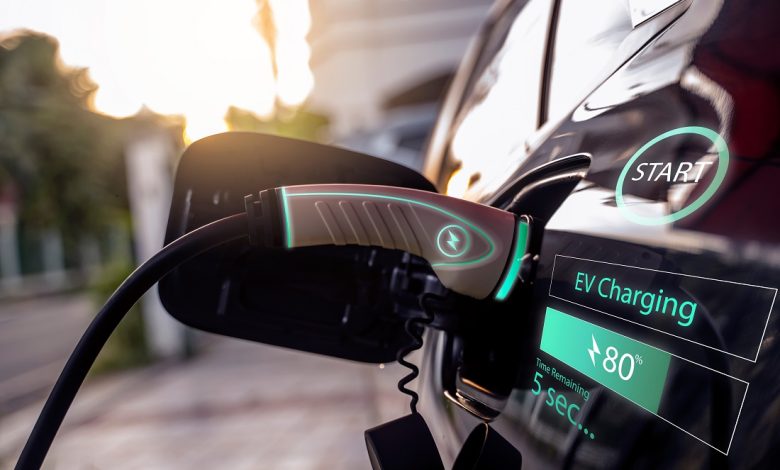
The global electric vehicle (EV) market has moved from a niche innovation to a central pillar of future mobility. While advances in battery technology and rising environmental awareness play important roles, government policies remain the single most influential driver shaping EV adoption worldwide. From financial incentives to infrastructure mandates, public policy decisions are accelerating—or slowing—the pace of electric mobility across regions.
Why Government Policy Matters in the EV Market
Electric vehicles require a supportive ecosystem to thrive. Unlike conventional cars, EV adoption depends on charging infrastructure, regulatory clarity, and cost competitiveness, all of which are heavily influenced by policy.
Governments intervene to:
-
Reduce greenhouse gas emissions
-
Cut dependence on fossil fuel imports
-
Stimulate domestic manufacturing and innovation
-
Meet international climate commitments
Without these policy interventions, EVs would struggle to compete with established internal combustion engine vehicles in many markets.
Financial Incentives Driving Consumer Adoption
One of the most direct ways governments stimulate EV growth is through purchase-related financial incentives.
Key incentive mechanisms include:
-
Purchase subsidies and rebates that lower upfront costs
-
Tax exemptions or reductions on registration, road tax, and VAT
-
Income tax credits for individual and fleet buyers
-
Scrappage schemes encouraging replacement of older vehicles
These measures significantly narrow the price gap between EVs and conventional vehicles, making electric mobility accessible to a broader consumer base.
Infrastructure Policies and Charging Network Expansion
A robust charging ecosystem is essential for large-scale EV adoption. Governments worldwide are addressing “range anxiety” through targeted infrastructure policies.
Common policy approaches include:
-
Public funding for fast-charging corridors along highways
-
Mandates for EV-ready buildings in new residential and commercial projects
-
Incentives for private companies to deploy charging stations
-
Integration of charging infrastructure into urban planning
Countries that aggressively invest in charging networks typically experience faster and more stable EV market growth.
Emissions Regulations and Fuel Economy Standards
Regulatory pressure on automakers has become a powerful indirect driver of EV production.
Governments increasingly enforce:
-
Stricter emission limits for new vehicles
-
Fuel economy standards that are difficult to meet with gasoline-only fleets
-
Zero-emission vehicle (ZEV) mandates requiring a minimum share of EV sales
These regulations push manufacturers to prioritize electric models, increasing availability and competition in the market.
Industrial Policy and Local Manufacturing Support
Beyond consumers, governments also shape the supply side of the EV market. Strategic industrial policies aim to create domestic EV ecosystems.
Support measures often include:
-
Subsidies for battery manufacturing and recycling
-
Grants for research and development in EV technologies
-
Tax incentives for local EV assembly plants
-
Workforce training programs for EV-related skills
Such policies not only boost EV adoption but also position countries as key players in the global clean mobility supply chain.
Regional Differences in Policy Impact
Government influence on EV growth varies significantly by region.
-
Europe emphasizes strict emissions standards and coordinated incentives, driving rapid adoption.
-
Asia-Pacific combines industrial policy with infrastructure investment, particularly in high-density urban areas.
-
North America relies more on tax credits and state-level initiatives, leading to uneven adoption patterns.
-
Emerging markets focus on affordability and public transport electrification rather than private ownership.
These differences explain why EV market growth rates vary widely across the globe.
Policy Uncertainty and Market Challenges
Despite strong momentum, inconsistent or short-term policies can hinder EV growth.
Key challenges include:
-
Sudden withdrawal of subsidies
-
Lack of long-term regulatory clarity
-
Uneven regional implementation
-
Insufficient grid upgrades to support charging demand
Stable, predictable policy frameworks are essential for sustained investment and consumer confidence.
The Long-Term Outlook for EV Policy Influence
As climate goals tighten and urban air quality concerns grow, government involvement in the EV market is expected to deepen. Future policies will likely focus on grid integration, battery sustainability, and total lifecycle emissions, shaping not just how many EVs are sold, but how sustainably they are produced and used.
Frequently Asked Questions (FAQs)
1. Are government subsidies the main reason EV sales are increasing globally?
Subsidies play a major role, but sales growth is also driven by improved technology, lower battery costs, and expanding charging infrastructure.
2. What happens to EV adoption when incentives are reduced or removed?
In many cases, sales slow temporarily, especially in price-sensitive markets, highlighting the importance of gradual policy transitions.
3. How do government policies affect EV prices long term?
Policies that support local manufacturing and R&D help reduce production costs over time, leading to more affordable EVs even without subsidies.
4. Do developing countries benefit equally from EV-focused government policies?
Benefits vary. Developing nations often prioritize electric buses and two-wheelers due to cost and infrastructure constraints.
5. How important are emission regulations compared to consumer incentives?
Emission regulations strongly influence automaker behavior, while incentives directly affect consumer purchasing decisions. Both are complementary.
6. Can EV market growth continue without strong government involvement?
In the short term, government support remains critical. Long-term growth may become more market-driven as costs decline and infrastructure matures.
7. What types of EV policies are likely to emerge in the future?
Future policies may focus on battery recycling, renewable energy integration, vehicle-to-grid systems, and sustainable supply chains.