Journeys Reimagined: Exploring the Fascinating World of Vehicles
In an age defined by movement, vehicles stand as both symbols of human ingenuity and pillars of modern society. From ancient steam-driven contraptions to today’s AI-powered marvels, our relationship with vehicles has continually evolved—reshaping economies, lifestyles, and even the very fabric of our cities. This article unfolds the captivating saga of vehicles: their diverse forms, compelling history, and the technological innovations propelling them into tomorrow.
The Genesis of Movement: A Brief History
Humanity’s quest for effortless travel dates back centuries. Early visions included wind-driven carts in China and clockwork-powered carriages in 17th-century Europe. However, it was in 1769 that Nicolas-Joseph Cugnot’s steam-powered tricycle marked the first practical attempt at a self-propelled vehicle. As the 19th century blossomed, inventors began experimenting with internal combustion and electric engines, culminating in 1886 when Carl Benz unveiled the Benz Patent-Motorwagen—the very first modern automobile. This invention sparked an era of transformative change, leading to the proliferation of personal vehicles and the advent of the assembly line under Henry Ford, forever altering the ways people moved and lived123.
The Diversity of Vehicles: Beyond Four Wheels
Vehicles are far from monolithic; their sheer variety is dazzling. Categorized by terrain and function, they orchestrate the flow of society in myriad ways.
Land Vehicles
-
Cars: Sedans, hatchbacks, SUVs, sports cars, and coupes, each offering unique blends of utility, comfort, and style.
-
Trucks and Buses: Unsung workhorses that power logistics and urban mobility, available in a rainbow of sizes and configurations.
-
Motorcycles, Bicycles, and Scooters: Light, nimble, and popular for short journeys or leisure rides.
-
Specialty Vehicles: Think of emergency response vehicles, agricultural machinery, and construction giants—each an indispensable tool in its domain456.
Air and Water Vehicles
-
Aircraft: From fixed-wing airplanes and helicopters to futuristic drones, these conquer the skies for commerce, defense, and adventure.
-
Watercraft: Boats, ships, submarines—vital for trade, exploration, recreation, and security alike.
Emerging Mobility
-
Electric Vehicles (EVs): Rapidly advancing battery technology and range make EVs a focal point in sustainability efforts.
-
Autonomous Vehicles: Self-driving technology is transforming both personal and public transit paradigms.
-
Future Concepts: Hyperloop pods and flying cars, once the stuff of dreams, are now serious subjects for research and design789.
The Art of Design: Beauty, Function, and Innovation
What makes a vehicle truly exceptional? It is the delicate interplay of engineering and aesthetics.
Engineering Excellence
-
Safety Innovations: From crumple zones to advanced driver assistance systems and AI-powered collision avoidance, modern vehicles are safer than ever109.
-
Performance Engineering: Advances in aerodynamics, powertrains, and lightweight materials—such as carbon fiber and graphene—deliver remarkable efficiency and dynamism.
-
Eco-Conscious Design: Growing use of recycled materials, vegan interiors, and energy-efficient lighting embodies a new green ethos in automotive manufacturing11.
Aesthetic Evolution
-
Sleek silhouettes and bold lines are more than visual statements—they serve as aerodynamic assets and expressions of brand identity.
-
Interiors now blend luxury with technology: digital cockpits, ambient illumination, and posture-aware seats create truly immersive driving experiences.
Vehicles as Catalysts of Social Change
The story of vehicles is deeply interwoven with that of civilization itself.
-
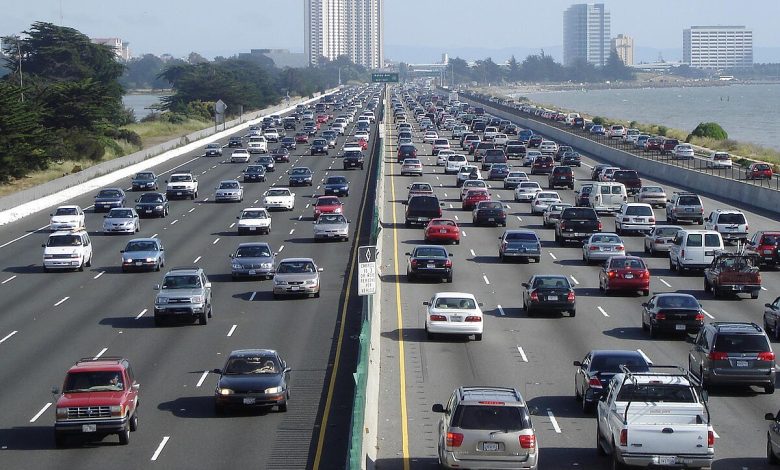
Urban Development: Cities have expanded around the needs and rhythms of vehicles, giving rise to roads, highways, and parking structures.
-
Economic Impact: Vehicles sustain industries—from manufacturing and maintenance to logistics and tourism—employing millions worldwide.
-
Cultural Icons: From the Volkswagen Beetle to luxury sports cars, some vehicles become emblems of eras and aspirations.
The Road Ahead: Trends and Tomorrow
A forward-looking lens reveals a landscape in vibrant flux.
-
Electrification: The global adoption of EVs is being fueled by improved battery technology, falling costs, and expanding infrastructure. Brands now race to pledge all-electric futures and greater sustainability.
-
Autonomy and Connectivity: Cars are turning into software-defined platforms. Advanced driver assistance, real-time navigation, and over-the-air updates are mainstream, with autonomous mobility promising safer, more adaptable travel.
-
Sustainable Mobility: Vehicle-to-grid technology, bioplastics, and closed-loop recycling are becoming integral, ushering in an era where conscious design is the standard, not the exception1112.
The Consumer’s Role
Contemporary consumers weigh far more than horsepower or price:
-
Technology Integration: Voice controls, smartphone pairing, and cloud connectivity enhance convenience and security.
-
Eco-Friendly Options: Demand for hybrid, electric, and low-emissions vehicles has never been higher.
-
Personalization: Customization options—from paintwork to infotainment—allow owners to make each vehicle uniquely theirs.
Conclusion: The Enduring Allure of Vehicles
Ultimately, vehicles are more than metal and machinery—they are enablers of freedom, connection, and discovery. Their evolution mirrors our own progress, reflecting dreams of speed, sustainability, and seamless mobility. As we accelerate toward the horizon of innovation, vehicles remain steadfast partners—guiding each journey and inspiring the ones yet to come.
Whether you are a daily commuter, intrepid explorer, or keen observer, the world of vehicles promises a future as dynamic and captivating as its storied past.