Automotive
The Business Potential of Specialized Automotive Services in Growing Cities
As populations shift toward emerging urban centers and mid-sized cities experience unprecedented geographical expansion, the local economic landscapes are fundamentally transforming. Among the most deeply impacted sectors is the automotive aftermarket. For decades, the standard model for an automotive entrepreneur was the general repair shop—a sprawling, multi-bay facility willing to tackle everything from a simple oil change on a commuter sedan to a transmission swap on a heavy-duty work truck. However, as vehicle technology advances at a blistering pace and urban demographics shift, the era of the “do-it-all” generalist is rapidly closing.
In its place, a highly lucrative business model is taking root: the specialized automotive service center. For entrepreneurs and investors looking at growing cities, carving out a hyper-focused automotive niche offers a path to superior profit margins, insulated market positioning, and a deeply loyal customer base. Understanding why this shift is occurring and identifying the most promising sectors is critical for capturing this modern automotive gold rush.
Why Urban Expansion Drives the Need for Niche Expertise
When a city grows, its vehicular landscape changes in two distinct ways. First, the sheer volume of vehicles on the road increases, leading to more stop-and-go traffic, accelerated wear on automotive components, and a higher frequency of minor collisions. Second, and more importantly for business owners, the demographic makeup of the driving public shifts. Growing tech hubs and revitalized urban centers tend to attract younger professionals and affluent residents who bring with them a fleet of modern, highly complex vehicles.
Today’s vehicles are rolling computer networks. A standard new car contains dozens of microprocessors and millions of lines of software code. For a traditional independent mechanic, keeping up with the diagnostic software, proprietary tools, and continuous training required to service every manufacturer on the road has become financially paralyzing. A diagnostic scanner for a modern European luxury vehicle can cost tens of thousands of dollars, making it a poor investment for a shop that might only see three of those vehicles a month. By contrast, a specialized shop that focuses exclusively on one brand or one specific type of technology can easily justify these capital expenditures, leveraging them to dominate their local market.
Highly Profitable Niches Poised for Urban Expansion
Not all automotive specializations offer the same return on investment. The most successful businesses in growing cities target services that are technologically complex, mandated by safety standards, or driven by affluent consumer demographics.
Electric Vehicle and Hybrid Powertrain Diagnostics
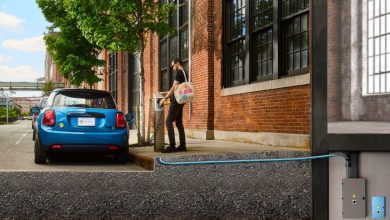
As charging infrastructure expands across growing municipalities, the adoption rate of electric vehicles and plug-in hybrids is surging. However, the service infrastructure for these vehicles is severely lagging. Many dealership service departments are backlogged for weeks, leaving EV owners desperate for reliable independent alternatives. Opening a facility dedicated to high-voltage system diagnostics, battery cell balancing, and hybrid powertrain repair positions a business at the forefront of a massive industry shift. Because dealing with high-voltage components requires specialized safety certifications and equipment, the barrier to entry protects business owners from cutthroat local competition.
ADAS Calibration and Sensor Alignment
Advanced Driver Assistance Systems, including lane departure warnings, adaptive cruise control, and automated emergency braking, are now standard on nearly all new vehicles. These systems rely on a delicate network of radar, LIDAR, and optical cameras. Whenever a vehicle is involved in a minor fender bender, has its suspension modified, or undergoes a windshield replacement, these sensors must be painstakingly recalibrated to ensure they function correctly. ADAS calibration requires a climate-controlled environment, perfectly level flooring, and highly specific target boards. Because traditional body shops and glass repair franchises often lack the square footage or technical expertise to perform these alignments, a standalone ADAS calibration center can secure highly lucrative, consistent business-to-business contracts.
Luxury and Import Vehicle Preservation
As wealth migrates into emerging cities, the demand for specialized European and exotic vehicle maintenance naturally follows. Owners of high-end brands like Porsche, BMW, Mercedes-Benz, and Land Rover are notoriously protective of their investments. They are often highly dissatisfied with the impersonal nature and exorbitant pricing of dealership service centers, yet they refuse to trust their vehicles to a neighborhood general mechanic. By creating a boutique service environment that mirrors a dealership’s professionalism but offers the personalized touch of an independent expert, specialists can secure an incredibly loyal client base that is immune to minor economic downturns.
Premium Mobile Services and Cosmetic Restoration
In a bustling city, time is the ultimate luxury. Automotive businesses that bring their services directly to the consumer are experiencing explosive growth. However, this goes far beyond basic mobile car washing. The real profit lies in high-ticket cosmetic preservation, such as the application of paint protection film (PPF), professional ceramic coatings, and mobile paintless dent repair. These services cater to enthusiasts and professionals who want to protect their vehicle’s resale value against the hazards of urban commuting. Operating as a mobile specialist or out of a small, highly efficient studio significantly reduces overhead costs while maintaining premium pricing power.
The Economic Superiority of the Specialist Business Model
The most compelling argument for automotive specialization lies in the fundamental economics of the business. General repair shops are frequently forced into a race to the bottom, competing on price to attract customers who are simply looking for the cheapest brake job or fluid exchange. This commoditization destroys profit margins and forces technicians to rush through jobs.
Specialists, conversely, wield immense pricing power. When a customer brings a complex electrical issue to an independent shop specializing entirely in their specific make of vehicle, they are no longer paying merely for mechanical labor; they are paying for specialized intellectual property. This allows niche shops to command significantly higher hourly labor rates.
Furthermore, the specialist model drastically streamlines supply chain and inventory management. A shop that only services European imports does not need to waste valuable warehouse space stocking domestic truck parts. This highly targeted approach reduces carrying costs and allows the business to build deeper, more profitable relationships with a select few parts distributors.
From a customer acquisition standpoint, marketing becomes exponentially more efficient. Ranking on local search engines for a generic term is a highly expensive, uphill battle against national franchises. Conversely, optimizing a digital presence for highly specific, intent-driven searches captures customers at the exact moment they are ready to spend money.
Navigating the Initial Barriers to Entry
While the upside is tremendous, entrepreneurs must navigate specific challenges when launching a specialized automotive business. The primary hurdle is talent acquisition. Finding a master technician with deep expertise in a singular automotive niche is difficult, and retaining them requires offering highly competitive compensation packages and clean, modern working environments.
Additionally, the initial capital expenditure can be daunting. Purchasing the factory-level diagnostic software, specialized lifts, and specialized hand tools required for a specific niche often requires significant upfront investment. However, because the labor rates are higher and the jobs are generally more complex, the time required to achieve a complete return on that investment is frequently much shorter than in a traditional automotive repair model.
The automotive industry is fragmenting, dividing those who try to fix everything from those who master a specific craft. For entrepreneurs establishing themselves in growing, dynamic cities, the business potential of specialized automotive services is undeniable. By targeting high-complexity, high-margin niches, business owners can build resilient, highly profitable enterprises that perfectly align with the future of transportation.