
Car Dealer
How Car Dealerships Can Attract Buyers Through Better Digital Showrooms
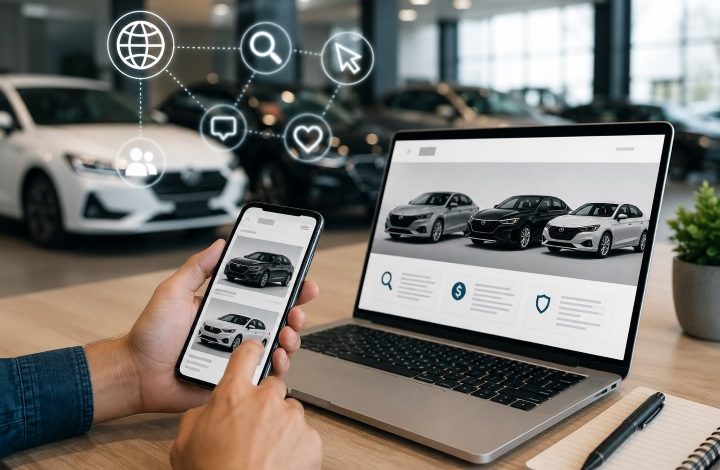
The modern automotive consumer journey no longer begins under the fluttering pennants of a local car lot. It begins on a smartphone screen, often late at night from the comfort of a living room couch. Today, a dealership’s website is the primary showroom floor, and the physical lot has increasingly transitioned into a secondary fulfillment and delivery center. Yet, a surprising number of dealerships still treat their digital presence as a glorified digital brochure rather than a dynamic, transactional retail space.
Consumers have grown accustomed to frictionless, highly personalized e-commerce experiences in every other aspect of their lives. When they transition from buying electronics or booking travel online to purchasing a vehicle, they expect that same level of digital sophistication. To capture and convert the modern buyer, dealerships must fundamentally rethink their digital showrooms, removing friction, building immense trust, and delivering an immersive experience that bridges the gap between the screen and the steering wheel.
Elevating the Visual Experience Beyond Standard Imagery
Buying a vehicle is an inherently emotional decision, even when masked by practical considerations like fuel economy or cargo space. Shoppers want to visualize themselves behind the wheel long before they schedule a test drive. In the digital space, high-quality visuals are the absolute baseline for establishing this emotional connection.
The Power of Interactive 360-Degree Tours
Relying on a standard carousel of fifteen generic photographs is no longer sufficient. Leading digital showrooms utilize interactive 360-degree exterior spins and interior panoramic views. This technology allows the consumer to take control of the exploration process. They can digitally walk around the vehicle, zoom in on the alloy wheels, pan across the dashboard, and inspect the rear legroom. By putting the user in control of the camera, dealerships recreate the tactile experience of walking around the car in person, keeping buyers engaged on the Vehicle Details Page for significantly longer periods.
Embracing Radical Visual Transparency
For pre-owned inventory, visual perfection is actually less important than total honesty. Dealerships often make the mistake of using stock manufacturer photos or heavily editing their own images to hide minor wear and tear. This is a strategic error. Radical transparency builds trust much faster than polished perfection. If a used SUV has a minor scuff on the rear bumper or a small crease in the leather seat, the digital showroom should highlight it clearly with high-resolution macro photography. A buyer who sees a flaw online and chooses to proceed is a highly qualified lead who will not negotiate aggressively on price. Conversely, a buyer who discovers a hidden flaw in person will feel immediately deceived, poisoning the entire transaction.
Implementing Frictionless Digital Retailing Tools
The era of the “Call for Price” button is entirely dead. Modern consumers are deeply skeptical of opaque pricing and aggressive dealership sales tactics. They want to understand the complete financial picture before they ever speak to a sales representative. A premium digital showroom must function as a comprehensive financial portal where buyers can construct their entire deal independently.
Penny-Perfect Payment Customization
Shoppers do not think in terms of total vehicle price; they think in terms of monthly payments. Dealerships must integrate robust digital retailing tools that provide exact, out-the-door pricing. Buyers should be able to manipulate sliders to adjust their down payment, select different loan terms, and see realistic interest rates based on soft credit pulls. Furthermore, this pricing must explicitly include local taxes, registration costs, and dealer documentation fees. When a digital showroom provides penny-perfect payment math without demanding an email address first, it establishes the dealership as a modern, trustworthy retail partner.
Seamless and Realistic Trade-In Valuations
The trade-in process is historically one of the most contentious parts of buying a car. Digital showrooms can eliminate this friction by integrating sophisticated valuation tools directly into the checkout flow. Rather than offering broad, unhelpful price ranges based on basic market averages, advanced tools allow customers to input their Vehicle Identification Number, log specific condition details, and upload photos of their current car to receive a firm, guaranteed cash offer. When a buyer knows exactly what their trade-in is worth, they are significantly more likely to proceed with a new purchase.
Prioritizing Mobile-First Architecture and Uncompromising Speed
The overwhelming majority of automotive research and inventory browsing takes place on mobile devices. If a dealership’s digital showroom was engineered for a desktop computer and merely condensed to fit a phone screen, the resulting experience will be a frustrating, pinch-and-zoom nightmare.
A modern digital showroom must be built with a mobile-first architecture. This means designing intuitive, thumb-friendly navigation menus, ensuring buttons are large enough to be easily tapped, and structuring vehicle data so it is easily scannable on a narrow screen.
Just as importantly, the site must be incredibly fast. Automotive websites are notoriously heavy, bogged down by high-resolution images, third-party tracking scripts, and embedded video players. If a Vehicle Details Page takes more than three seconds to load over a cellular connection, abandonment rates skyrocket. Dealerships must invest in modernized hosting, aggressive image compression, and streamlined code to ensure their digital showroom is as responsive as the vehicles they are trying to sell.
Leveraging Artificial Intelligence for Immediate Engagement
Traditional automotive websites often rely on aggressive lead-capture pop-ups that block the screen until the user surrenders their phone number. This tactic is universally despised by consumers and generates low-quality, frustrated leads. The solution is replacing these static forms with intelligent, conversational AI.
A highly calibrated digital concierge does not just ask for contact information; it actively assists the buyer. Powered by natural language processing, modern chatbots can answer highly specific questions 24 hours a day. If a customer asks, “Does this specific truck have the max trailering package and adaptive cruise control?” the AI should be able to parse the inventory data and provide an immediate, accurate answer. Furthermore, AI can track a user’s browsing behavior in real-time, subtly recommending similar vehicles in the inventory if the shopper seems hesitant about their current selection.
Building Unshakable Trust Through Data Transparency
Information asymmetry—where the dealer knows everything about a car and the buyer knows nothing—is the root cause of consumer anxiety in automotive retail. The best digital showrooms dismantle this anxiety by overwhelming the consumer with accessible data.
Providing free access to comprehensive vehicle history reports on every single pre-owned listing is mandatory. But industry leaders are taking data transparency a step further by publishing the internal mechanical repair orders from the vehicle’s reconditioning phase. When a digital showroom includes a digitized receipt proving the dealership just invested twelve hundred dollars in brand-new tires, fresh brake rotors, and a comprehensive fluid flush, it completely shifts the value proposition. The customer no longer feels like they are being overcharged; they recognize they are paying for a meticulously prepared, turnkey vehicle.
The digital showroom is no longer a peripheral marketing expense; it is the most vital, profit-generating real estate a dealership owns. By transitioning from a static inventory list to an interactive, transparent, and financially empowering digital retail environment, forward-thinking dealerships can capture a massive competitive advantage. When a buyer can seamlessly explore a vehicle, calculate exact pricing, and secure a firm trade-in value from their phone, the eventual visit to the physical dealership transitions from a grueling negotiation into a brief, celebratory vehicle delivery.


