Driving Tips to Develop Responsible Driving Attitudes for Lifelong Safety
Responsible driving is not a skill you switch on only during a driving test—it is a lifelong mindset. The habits you build behind the wheel shape not only your safety but also the safety of passengers, pedestrians, and other road users. Developing the right driving attitude early helps prevent accidents, reduces stress, and builds confidence that lasts a lifetime.
Understand That Driving Is a Shared Responsibility
Every road is a shared space. Responsible drivers recognize that their actions affect others at all times.
Key principles to remember:
- You are never the only one on the road
- Mistakes from others are possible and predictable
- Courtesy often prevents conflict before it starts
Adopting this mindset transforms driving from a competitive activity into a cooperative one.
Practice Defensive Driving at All Times
Defensive driving is the foundation of responsible behavior. It means staying alert, anticipating risks, and being prepared to react calmly.
Develop defensive habits by:
- Keeping a safe following distance
- Scanning far ahead, not just the car in front
- Expecting sudden lane changes or stops
- Adjusting speed for weather and road conditions
A defensive driver plans for the unexpected instead of reacting emotionally.
Control Speed and Respect Traffic Rules
Speed limits and traffic laws exist to protect everyone, not to slow you down unnecessarily. Responsible drivers see rules as safeguards, not obstacles.
Why respecting limits matters:
- Reduces stopping distance
- Improves reaction time
- Lowers the severity of collisions
- Builds predictable traffic flow
Consistent rule-following is a clear sign of mature driving behavior.
Manage Emotions Behind the Wheel
Anger, frustration, and impatience are among the most common causes of unsafe driving. Emotional control is a core element of lifelong responsibility.
Healthy emotional driving habits include:
- Letting aggressive drivers pass without engagement
- Avoiding eye contact during tense situations
- Taking deep breaths when feeling rushed
- Pulling over briefly if emotions escalate
Staying calm keeps your judgment clear and your reactions measured.
Eliminate Distractions Completely
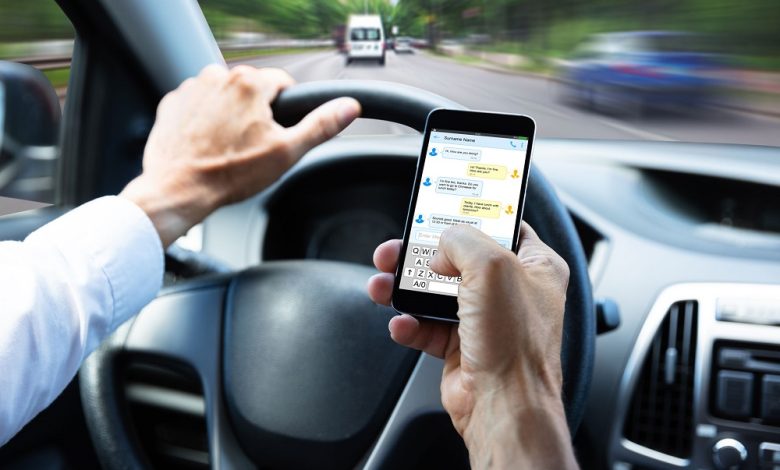
Distracted driving is one of the most preventable dangers on the road. Even a moment of lost focus can have lasting consequences.
Common distractions to avoid:
- Mobile phone use, even hands-free conversations
- Eating or drinking while driving
- Adjusting controls while in motion
- Engaging in intense conversations
Responsible drivers give driving their full attention, every single time.
Show Courtesy and Patience to Others
Simple acts of courtesy create safer and more pleasant driving environments. Patience is not weakness—it is awareness.
Courteous driving behaviors include:
- Using indicators early and clearly
- Yielding when required without hesitation
- Allowing merges in heavy traffic
- Respecting pedestrians and cyclists
These small actions build mutual trust on the road.
Maintain Your Vehicle for Safe Performance
A responsible attitude extends beyond behavior to vehicle care. A well-maintained car responds better in emergencies.
Essential maintenance checks:
- Tire pressure and tread condition
- Brake responsiveness
- Headlights, indicators, and brake lights
- Windshield wipers and visibility
Regular maintenance supports safer decision-making and smoother control.
Commit to Continuous Learning
Road conditions, technology, and traffic laws evolve. Lifelong responsible drivers continue to learn and adapt.
Ways to stay informed:
- Refresh driving knowledge periodically
- Learn advanced safety techniques
- Understand new vehicle safety features
- Reflect on past driving mistakes honestly
Growth-oriented drivers become safer with experience, not careless.
Lead by Example Every Time You Drive
Your driving habits influence passengers, especially young or inexperienced drivers. Responsibility sets a silent standard.
Positive influence includes:
- Modeling calm reactions
- Obeying rules consistently
- Speaking respectfully about other drivers
- Demonstrating patience under pressure
Good habits spread when others see them practiced daily.
FAQ: Responsible Driving Attitudes
Why is responsible driving considered a lifelong skill?
Because road environments, vehicles, and personal responsibilities change over time, requiring continuous awareness and adaptation.
Can responsible driving reduce stress?
Yes, calm and predictable driving lowers anxiety, road rage, and mental fatigue.
Is defensive driving only for beginners?
No, experienced drivers benefit even more as defensive habits prevent overconfidence.
How long does it take to build responsible driving habits?
Consistent practice over weeks forms habits, but awareness must be maintained for life.
Does responsible driving save money?
Yes, it reduces fuel consumption, vehicle wear, fines, and accident-related costs.
Can responsible driving influence others?
Absolutely, passengers and nearby drivers often mirror calm and courteous behavior.
What is the most important responsible driving habit?
Staying focused and emotionally controlled, as it supports all other safe behaviors.