The Dawn of Tomorrow: Unveiling the Next Generation of New Vehicles
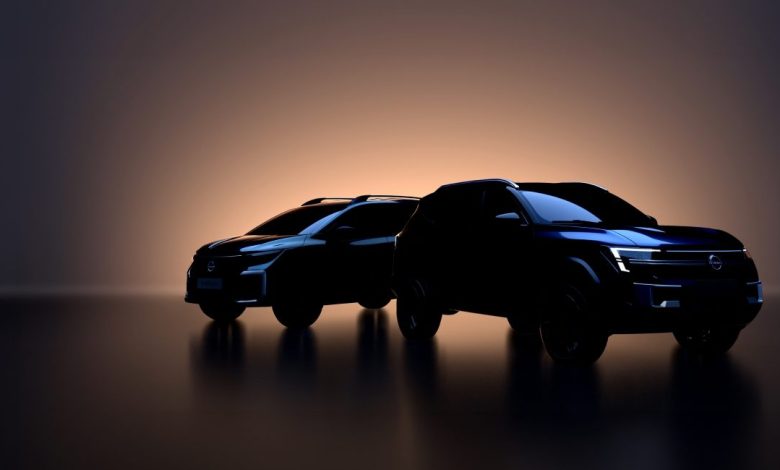
As we venture further into the 21st century, the realm of new vehicles stands at an exhilarating crossroads. Never before have innovation, sustainability, digitization, and design blended so seamlessly to reshape our relationship with mobility. Today’s new vehicles are not merely machines of transport—they are bold statements of intent, sophisticated companions, and the embodiment of society’s evolving ambitions.
A Revolution in the Making: What Defines a “New Vehicle”?
The phrase “new vehicle” has transcended its simple reference to freshly minted models. Instead, it now evokes a sophisticated confluence of advanced powertrains, intelligent technology, sustainable materials, and human-centric design. From all-electric urban cars to AI-infused luxury SUVs, the diversity and ingenuity on display in the new vehicles of 2025 is nothing short of remarkable123.
Shifting Expectations: The Modern Buyer’s Checklist
Today’s discerning car buyer demands far more than aesthetics and horsepower. The newest vehicles are expected to deliver:
-
Seamless connectivity and cloud integration
-
Environmental responsibility (low or zero emissions)
-
Augmented safety and driver-assist features
-
Comfort tailored to individual preferences
-
The latest innovations in propulsion and user experience
Electrification and Hybridization: Powering a Cleaner Future
The Surge of Electric Vehicles (EVs)
The push for decarbonization has propelled electric vehicles from the fringes to the forefront. The global EV market is expected to reach nearly $400 billion in 2025, with China leading the way—recent forecasts suggest EVs will capture a 60% sales share there this year. Europe and the US also see a marked rise in adoption, buoyed by expanding charging infrastructure, solid-state battery breakthroughs, and attractive incentives456.
Key Innovations:
-
Batteries with greater range, longevity, and safety (solid-state, lithium-silicon)
-
Ultra-fast charging (800-volt systems, 80% charge in under 20 minutes)
-
Vehicle-to-Grid (V2G) technology, allowing cars to return energy to the home or grid76
The Enduring Appeal of Hybrids
While EVs surge, manufacturers are reviving focus on hybrid models. These vehicles offer a practical middle ground—reducing emissions, extending range, and making adoption accessible where charging infrastructure lags. This hybrid trend is especially influential in regions adapting gradually to electrification5.
-
Plug-in hybrids offer short-range electric commutes with the security of a gasoline backup.
-
Mild and full hybrids proliferate in both economical and luxury segments.
Digitalization: The Software-Defined Vehicle
A new hallmark of the latest vehicles is the deep integration of software. Cars of today are increasingly “software-defined,” meaning upgrades, features, and even performance improvements are delivered by over-the-air (OTA) updates, much as smartphones have conditioned us to expect578.
Cutting-Edge Features:
-
Adaptive driver profiles and cloud-synced preferences across vehicles
-
AI-powered climate control, infotainment, and performance optimization
-
Seamless digital voice assistants, natural language commands, and predictive navigation
Advanced Safety and Autonomy: Towards Zero Collisions
Safety technology has rocketed forward, setting new benchmarks for protection and peace of mind. New vehicles frequently arrive equipped with:
-
Advanced Driver-Assistance Systems (ADAS)
-
Adaptive cruise control with stop-and-go functionality
-
Lane-centering and keep assist, even around curves
-
Intersection monitoring and cross-traffic alert
-
-
360-degree cameras, blind-spot detection, autonomous emergency braking
While fully autonomous driving (Level 5) is still several years away, many new models now offer Level 2 and Level 3 autonomy in select conditions, signaling how swiftly driverless capabilities are advancing5.
Design, Comfort, and the Human Touch
The creative frontier is alive and well in automotive design. Manufacturers, established and startup alike, are reimagining the vehicle interior as a serene personal oasis—merging luxury, technology, and flexibility.
Emerging Trends:
-
Expansive glass roofs and panoramic windscreens
-
Modular, reconfigurable seating for individualized comfort
-
Sustainable materials (recycled fibers, bio-based leathers)
-
Augmented reality head-up displays (AR HUDs) projecting directions and hazard alerts directly into the driver’s line of sight7
Spotlight on 2025’s Noteworthy Models
The new vehicle market in 2025 brims with anticipation. Across the globe, more than 70 new models are set to debut, many of which break new ground in performance, sustainability, and style123.
| Model Name | Segment | Powertrain | Expected Launch |
|---|---|---|---|
| BMW iX 2025 | Luxury SUV | Electric | Aug 20251 |
| MG Cyberster | Convertible EV | Electric | Jul 202512 |
| Tesla Model S (2025) | Sedan | Electric | Jan 20262 |
| Mahindra BE 07 | SUV | Electric | Late 20251 |
| Tata Punch 2025 | Compact SUV | Gas/Petrol | Sep 20251 |
| Kia Carens Clavis EV | Crossover MPV | Electric | 20253 |
| Maruti Grand Vitara | SUV | Hybrid | 20253 |
| Audi Q6 e-tron | Luxury SUV | Electric | 20251 |
Table: Select new vehicle launches for 2025, featuring a range of segments and powertrains.
Sustainability and the Road Ahead
The future of mobility demands accountability—not just convenience. New vehicles increasingly showcase commitment to eco-consciousness from manufacturing through end-of-life:
-
Eco-friendly manufacturing processes and renewable energy sourcing
-
Recyclable components and fabrics
-
Lifecycle carbon footprint tracking
Startups and major automakers alike are rising to the call for sustainable, city-centric vehicles—such as light electric vehicles (LEVs) and purpose-built platforms for urban shuttles and shared mobility services6.
The Connected Car: Vehicles as Digital Ecosystems
Connectivity has become as crucial as horsepower. The latest vehicles function as rolling digital hubs:
-
5G-enabled car-to-infrastructure (V2X) and car-to-car communication
-
Immersive infotainment and cloud-based streaming
-
Real-time traffic, weather, and hazard updates
-
Personalized content, profiles, and seamless app integration7810
The emergence of these technologies redefines both the driving experience and the potential for future mobility, tying vehicles into the broader network of smart cities.
Conclusion: Embracing the Unprecedented
To describe “new vehicles” in 2025 is to outline a mosaic of progress, vision, and adaptability. The era is characterized by more than technical novelty—it is about vehicles anticipating human needs, shrinking their environmental impact, and harmonizing with the world’s digital and urban landscapes.
As innovations accelerate and new models debut worldwide, it becomes clear: the next generation of vehicles is no longer defined simply by wheels and engines, but by their ability to delight, protect, and connect. Whether you are a tech enthusiast, a sustainability champion, or simply a lover of fine engineering, the world of new vehicles has never been more inviting, diverse, or inspiring.