The Craft of Confidence: Mastering the Art of Safer, Smarter Driving
In a world defined by constant motion, driving demands much more than the ability to turn a key and press a pedal. It is a nuanced craft—a blend of technical knowledge, sharp focus, emotional discipline, and thoughtful anticipation. Whether you are a seasoned road warrior or a novice just embarking on your journey, embracing a suite of refined driving tips can unlock a more secure, efficient, and genuinely enjoyable motoring experience.
Understanding the Essence of Great Driving
Great driving isn’t a matter of speed or bravado; it’s rooted in attentive observation, empathy for fellow travelers, and a deep respect for the machine beneath you. Thoughtful motorists recognize that each mile brings new conditions and fresh decisions, making adaptability their closest ally.
The Pillars of Masterful Driving
-
Awareness: Constantly scan your environment—not just the car ahead, but the entire scene.
-
Preparation: Ready yourself and your vehicle before departure.
-
Courtesy: Safe driving thrives on consideration and mutual respect.
-
Adaptability: Weather, traffic, and moods change—so must your habits and mindset.
Before You Start: Preparing for the Road
The foundation of a successful journey is laid before the wheels ever roll.
Essential Pre-Drive Checks
-
Inspect Tires: Adequate tread and air pressure are vital for grip, braking, and fuel economy.
-
Clean Windows and Mirrors: Unhindered vision is non-negotiable for decision-making and safety.
-
Test Lights and Signals: Brake lights, indicators, and headlights ensure you’re seen and understood.
-
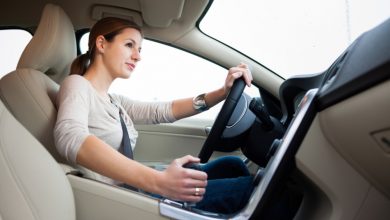
Adjust Seats and Mirrors: Proper posture reduces fatigue and enhances control.
Mindset Matters
-
Delay travel if fatigued, upset, or rushed.
-
Program your route or set navigation before moving.
-
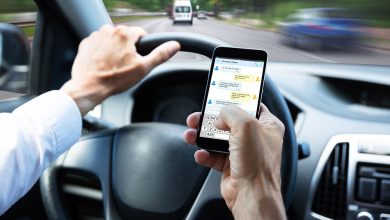
Mute notifications and stow your phone—distraction is the enemy of mastery.
On the Move: Refined Techniques for Everyday Excellence
1. Keep a Safe, Dynamic Following Distance
-
Apply the “three-second rule”—allow at least three seconds of space behind the vehicle ahead, adjusting for speed and weather.
-
On highways, increase this distance at night or in rain, fog, or snow.
2. Master Smoothness: Acceleration and Braking
-
Gentle steering, gradual acceleration, and progressive braking conserve fuel, reduce wear, and keep passengers comfortable.
-
Anticipate stops by easing off the accelerator early.
3. Use Mirrors Mindfully
-
Check mirrors often—every 5–8 seconds—especially before lane changes or merging.
-
Always look over your shoulder for the dreaded blind spot.
4. Negotiating Intersections and Turns
-
Approach intersections with caution, even when the light is green.
-
Signal at least 100 feet before turning.
-
Slow into turns and accelerate gently out.
5. Lane Discipline and Defensive Positioning
-
Remain in your lane; only move when it is safe and warranted.
-
Plan your lane choices ahead to avoid last-minute merges or sudden swerves.
-
On multi-lane roads, stay right unless overtaking.
Navigating City Streets: The Art of Urban Driving
Urban environments present a distinct set of challenges—pedestrians, dense traffic, cyclists, and relentless distractions.
Urban Driving Essentials
-
Scan Crosswalks: Anticipate sudden pedestrian movement, especially at night or in poor weather.
-
Obey Bus and Bike Lanes: Respect right-of-way for public transport and vulnerable road users.
-
Patience Pays: Resist aggressive maneuvers. Yielding a few seconds is always preferable to a preventable mishap.
Tackling Highways and Open Roads
Long-distance and highway driving call for a strategic, unhurried approach.
Strategies for Safe Highway Travel
-
Cruise Control Savvy: Use cruise control to maintain steady speed, but stay alert and ready to disengage.
-
Plan Overtakes Safely: Check mirrors, signal, and ensure ample space before passing.
-
Rest Regularly: Schedule breaks every two hours to reduce fatigue.
Handling Adverse Conditions
-
Reduce speed in rain, fog, or snow—no technology replaces cautious judgment.
-
Increase following distances and use low beams in mist or heavy rain.
Mindful Driving: Managing Emotions and Distractions
Emotional control and presence are just as crucial as technical skill.
Staying Centered Behind the Wheel
-
Recognize signs of anger or impatience and pause to breathe or pull over if needed.
-
Resist the urge to respond to aggressive drivers; maintain composure and report dangerous behavior if necessary.
-
Avoid multitasking—eating, adjusting controls, or reaching for dropped items should wait for a full stop.
Defensive Driving: Anticipation Over Reaction
Defensive driving is the hallmark of the seasoned motorist.
Key Defensive Driving Habits
-
Assume others may make mistakes; always leave yourself an “out.”
-
Anticipate risky situations—like cars waiting to turn, erratic bicyclists, or sudden braking in heavy traffic.
-
Signal clearly and well in advance of maneuvers.
-
Follow posted speed limits and adapt appropriately when conditions demand caution.
The Modern Driver: Embracing Technology Without Dependence
Contemporary vehicles offer an array of electronic aids—adaptive cruise control, blind-spot warnings, and emergency braking. While these systems can augment safety, true mastery lies in remaining attentive and never surrendering judgment to the machine.
-
Use navigation, parking sensors, and collision warnings as supplemental aids.
-
Remain vigilant; all systems have limits and can fail.
Continuous Learning: The Path to Lifelong Improvement
Excellence in driving is not achieved overnight; it is an ongoing process nurtured by humility and curiosity.
-
Take formal defensive driving or advanced skills courses.
-
Reflect on close calls—what could have been done differently?
-
Stay current with traffic laws, emerging technology, and best practices.
Final Thoughts: The Road as Reflection
Great driving is a mark of character as much as competence. It is the willingness to protect, respect, and attend to all who share the journey. By embracing thoughtful practices—before, during, and after each trip—you imbue every mile with confidence, safety, and a touch of understated elegance. May each journey, routine or extraordinary, find you not only at your destination, but also more attuned, skilled, and at ease behind the wheel.