Exploring the Long-Term Vision of Sustainable Automotive Transportation
Sustainable automotive transportation is no longer a distant aspiration—it is a strategic imperative shaped by climate realities, urban growth, and rapid technological change. The long-term vision centers on mobility systems that reduce environmental impact, improve public health, and remain economically viable across generations.
Understanding Sustainable Automotive Transportation
At its core, sustainable automotive transportation aims to minimize lifecycle emissions, reduce dependence on finite resources, and enhance mobility access. This approach evaluates not only tailpipe emissions but also vehicle manufacturing, energy sourcing, infrastructure development, and end-of-life recycling.
Key principles include:
- Energy efficiency across the value chain
- Low- or zero-emission propulsion systems
- Integration with renewable energy
- Equitable access to mobility
The Role of Electrification in Long-Term Sustainability
Electrification has emerged as a foundational pillar of sustainable mobility. Battery-electric vehicles eliminate tailpipe emissions and, when powered by clean electricity, significantly lower overall carbon intensity.
Why Electrification Matters
- High energy efficiency compared to internal combustion engines
- Compatibility with renewable energy grids
- Lower operational and maintenance costs over time
However, long-term success depends on responsible battery sourcing, grid decarbonization, and scalable charging networks.
Beyond Batteries: Alternative Clean Propulsion Pathways
While electric vehicles dominate current discussions, a resilient long-term vision embraces multiple propulsion technologies to meet diverse mobility needs.
Promising alternatives include:
- Hydrogen fuel cells for long-range and heavy-duty transport
- Synthetic and e-fuels for existing vehicle fleets
- Advanced biofuels derived from waste and non-food sources
A diversified energy portfolio reduces systemic risk and supports regional adaptability.
Smart Infrastructure and Connected Mobility
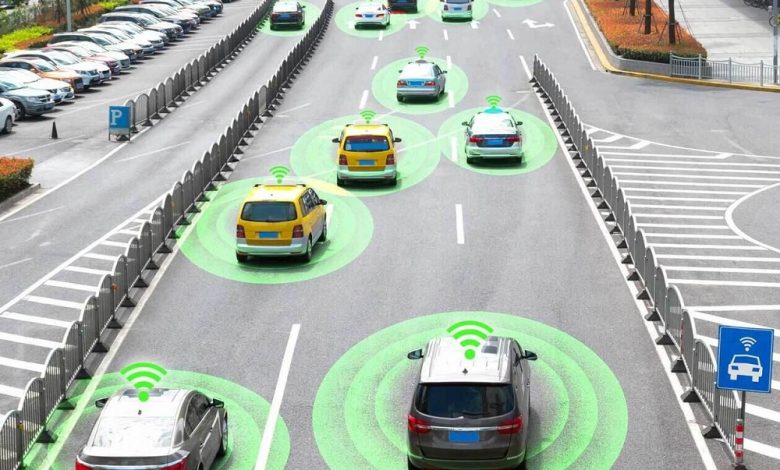
Sustainable transportation extends beyond vehicles to the systems that support them. Smart infrastructure enhances efficiency while reducing congestion and energy waste.
Critical developments include:
- Intelligent traffic management systems
- Vehicle-to-grid (V2G) energy integration
- Digitally connected charging and refueling networks
These technologies allow vehicles to function as active components of broader energy and urban systems rather than isolated assets.
Urban Design and Mobility Behavior Shifts
Long-term sustainability requires rethinking how cities prioritize movement. Compact urban design and multimodal transport reduce reliance on private vehicles while improving quality of life.
Effective strategies involve:
- Prioritizing public transit and shared mobility
- Encouraging active transportation such as walking and cycling
- Designing cities around shorter travel distances
Behavioral change, supported by policy and infrastructure, plays a decisive role in achieving lasting impact.
Policy, Industry, and Global Collaboration
The transition toward sustainable automotive transportation depends on coordinated action across sectors. Governments, manufacturers, energy providers, and consumers must align on long-term goals rather than short-term gains.
Enabling factors include:
- Stable regulatory frameworks
- Investment in research and development
- International standards for emissions, safety, and recycling
Collaboration ensures that sustainability advances are scalable, affordable, and globally consistent.
Measuring Success Over the Long Term
Success is not defined by a single technology but by measurable outcomes. Long-term indicators include:
- Reduced greenhouse gas emissions per mile traveled
- Improved air quality and public health metrics
- Circular material flows in vehicle production
- Increased access to affordable, clean mobility
Continuous monitoring and adaptive policy ensure progress remains aligned with environmental and social goals.
The Road Ahead
The long-term vision of sustainable automotive transportation is systemic rather than singular. It combines clean energy, smart technology, thoughtful urban planning, and responsible consumption. Achieving it requires patience, investment, and a willingness to evolve—but the payoff is a mobility ecosystem that supports both people and the planet.
Frequently Asked Questions (FAQs)
1. How does sustainable automotive transportation impact energy grids over time?
It encourages grid modernization, energy storage integration, and better demand management, ultimately improving grid resilience.
2. Can sustainable transportation reduce traffic congestion in the long run?
Yes, through smarter traffic systems, shared mobility, and urban planning that reduces car dependency.
3. What role does vehicle recycling play in long-term sustainability?
Recycling reduces raw material extraction, lowers emissions from manufacturing, and supports a circular automotive economy.
4. Are developing regions able to adopt sustainable automotive technologies?
With the right policies and infrastructure investment, developing regions can leapfrog older technologies and adopt cleaner systems faster.
5. How does automation influence sustainability goals?
Autonomous systems can optimize driving efficiency, reduce accidents, and improve traffic flow when deployed responsibly.
6. Will sustainable vehicles remain affordable in the future?
As technology matures and production scales, costs are expected to decline, improving affordability across income levels.
7. What is the biggest barrier to achieving long-term sustainable automotive transportation?
The greatest challenge lies in aligning policy, infrastructure, and consumer behavior at a global scale while maintaining economic stability.