The Complete Guide to Improving Towing Performance in Heavy-Duty Diesel Trucks
Truck owners who upgrade to tow can end up chasing the wrong number: more horsepower, a larger peak, and a strong dyno sheet to show off. But a peak figure does not tell you how the truck will feel with your trailer on a hill. Look at how it delivers power through the engine speeds you actually use, alongside the transmission and exhaust brake. Before choosing an upgrade, identify what you want to improve on a familiar journey. Is it repeated shifting, an awkward throttle response or difficulty managing heat? Those are different problems, and a bigger horsepower number alone does not tell you which one a tune would address.
Horsepower is the wrong number to chase
Torque delivery matters when moving a trailer, but it belongs in a wider conversation about gearing, load and the truck’s condition. Ask a specialist to explain how a proposed calibration behaves under sustained load on your particular engine and transmission. Look for evidence relevant to towing, rather than assuming a peak torque figure will translate into fewer shifts or cooler running. If the truck already struggles on a familiar grade, describe that behaviour before discussing changes. A useful recommendation should connect the proposed adjustment to the problem you actually experience.
EGT is the ceiling you can’t tune around
Added performance deserves a careful look at heat management. Before changing the calibration, establish how the truck behaves in its current form and what the manufacturer says about temperatures under load. The relevant readings and limits depend on the truck and where those readings are taken. Do not borrow a number from another owner’s setup and assume it applies to yours. A towing discussion should cover sustained climbs and hot conditions, not just a short demonstration of acceleration. Ask what happens when the truck approaches its limits and what the driver should do in response.
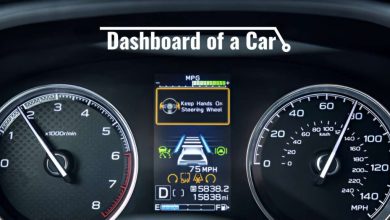
Discuss exhaust gas temperature monitoring with a qualified specialist before tuning a truck used for heavy towing. Ask whether the existing instrumentation provides the information needed and, if extra monitoring is proposed, how to interpret it. A gauge reading alone is not proof that a calibration is safe. Nor should a tune’s sales description be taken as evidence that it controls heat during every sustained pull. Request a clear explanation of the intended operating limits and how fueling changes have been assessed for towing.
The transmission does half the work
Engine output is only part of the towing experience. Ask how the proposed setup works with the transmission, particularly torque converter lockup and shifting strategy. Neither should be assessed in isolation from the load and the truck’s existing controls.
Torque converter behaviour is worth discussing when transmission temperatures are a concern. Do not assume that earlier or more aggressive lockup is automatically better. Ask why a particular strategy is appropriate for your transmission and intended load, and how it interacts with the manufacturer’s operating guidance. The goal is a setup that behaves predictably across your journeys, rather than one adjustment pushed as far as possible.
Shifting strategy also deserves attention on inclines. If your truck repeatedly moves between gears on the same climb, record the conditions and discuss them with a specialist. Ask whether the existing towing settings are being used correctly before considering a calibration change. Holding a gear for longer may be part of the discussion, but it should not be sold as a universal answer. The useful test is whether the truck manages the load appropriately within its operating limits.
Exhaust braking: the safety feature nobody talks about
If your Cummins 6.7L truck has an exhaust brake, learn how the fitted system is intended to be used before considering any changes. Follow the vehicle’s guidance for descents and for using its braking systems together. An exhaust brake should not be treated as a guarantee against brake problems, or as a reason to attempt a descent at an unsuitable speed.
When discussing a tune, ask specifically whether it changes exhaust-brake behaviour and what evidence supports those changes on your truck. Do not assume that more aggressive engagement is automatically safer. Descents and sudden stops present different demands, and neither can be dismissed. Plan for the loaded combination as a whole, including the trailer, rather than expecting a calibration to settle every braking question.
The Cummins 6.7L: why this platform tunes so well
For a 6.7L Cummins, start with the exact truck rather than a broad claim about the engine family. A product description for one model year or transmission is not enough to establish suitability for another. Ask the supplier to confirm compatibility and explain what is being changed before comparing advertised gains.
Ask how any proposed turbo-control changes relate to towing and how they have been evaluated alongside the engine’s other controls. Describing the job as a few lines of code hides the questions that matter to an owner: suitability, operating limits and the behaviour of the loaded truck. A clear explanation is more useful than an easy-upgrade pitch.
If you are shopping for Diesel Tuners for Dodge RAM Cummins 6.7l, use your towing needs to frame the questions. Does the proposed product affect engine output only, or does it also address transmission behaviour and exhaust braking on your particular truck? Do not assume those functions are bundled together. Compare the documented scope with the problem you are trying to solve before spending money. Ask for the compatibility information and the scope of the proposed calibration in writing, so you can compare products on the same basis.
Cooling and airflow make the tune stick
Review the truck’s cooling condition before deciding whether extra hardware belongs in the plan. An upgrade list should follow an identified need. Ask whether maintenance, a repair or a change in how the truck is operated needs attention before treating additional cooling capacity as the answer.
Intercoolers, intake and exhaust components, and transmission coolers are separate decisions. For each proposed change, ask what problem it addresses and what evidence shows it will help on this truck. Compare the recommendation with the manufacturer’s requirements and the existing setup. Avoid assuming that a less restrictive component necessarily produces lower temperatures under every towing condition. Ask the installer to separate work needed to restore the existing system from optional changes, and to explain how each recommendation relates to your temperature concerns.
Keep the focus on sustained performance within the truck’s limits. Hardware should earn its place by addressing a demonstrated need, not by completing a shopping list or promising that engine damage is impossible.
Tires, weight distribution, and chassis discipline
The chassis deserves the same attention as the drivetrain. Check the tyres against the vehicle and tyre manufacturers’ guidance for your loaded combination, including the appropriate ratings and pressures. Do this with the actual load in mind rather than copying another owner’s setup. Resolve condition or loading concerns before judging the truck’s performance.
If a weight-distribution hitch is appropriate for the combination, have its suitability and adjustment checked against the truck, trailer and hitch instructions. Do not assume it divides weight evenly between axles or makes any load acceptable. Steering feel, stability and braking concerns need proper investigation; extra engine output will not answer them.
Ratings don’t move, capability does
Do not treat a tune as permission to exceed the truck’s stated GCWR, GVWR, payload or towing limits. Read the figures that apply to your particular vehicle and trailer, and check the loaded combination against them. An advertised performance gain is not a substitute for those checks. If a seller claims greater towing capacity, ask for documentation relevant to your truck rather than accepting a general statement about extra torque.
Judge any proposed improvement within those limits. Ask for a realistic description of the expected changes, the conditions in which they were assessed and the compromises involved. Smoother delivery may be your aim, but earlier lockup or stronger exhaust braking should not be promised as universal routes to safer towing.
Emissions-compliant tuning is the sensible route
Make emissions compatibility and warranty questions part of the decision before buying. Ask the supplier for documentation relevant to your truck and intended use, and check it with the appropriate authority or warranty provider. Keeping emissions equipment in place is not, by itself, a promise that every calibration is permitted or that warranty cover will be unaffected.
Consider what happens after the truck leaves the workshop, too. Ask how the calibration will affect roadside or periodic emissions inspections where you live, whether it can be reversed to the original settings, and whether the change will be visible to a dealer during servicing. Find out who is responsible if a fault code, failed inspection or warranty dispute arises later, and keep the supplier’s documentation, the installer’s records and any correspondence with your warranty provider together with the vehicle’s paperwork. A product that meets emissions requirements on paper still needs to suit your truck, your location and the way you plan to use it.
Building a tow rig instead of chasing a number
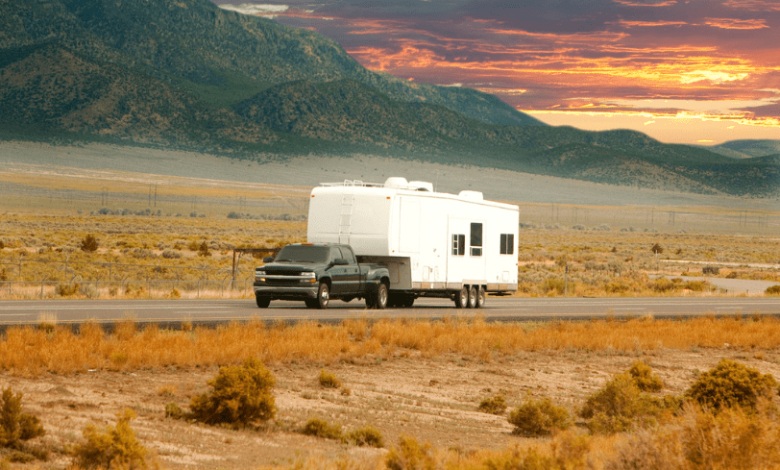
Build the towing plan around the whole truck. Start with its condition, the loaded combination and the limits in the vehicle documentation. Then identify the particular behaviour you want to improve and compare evidence for the proposed change. A tune may belong in that discussion, but it should follow the diagnosis. The aim is a truck that suits the journeys you actually make, with decisions you can explain beyond a number on a dyno sheet. Keep the original symptoms and the agreed expectations together, so that any later assessment returns to the towing problem you set out to solve.