Modern Alternatives to Traditional European Driving Gear
For decades, UK drivers heading to mainland Europe were advised to pack a familiar checklist of driving accessories: beam deflectors, spare bulbs, headlamp stickers, and various bits of emergency equipment. While some of these items are still relevant, modern vehicle technology has quietly made others far less necessary. Understanding what has changed — and what still matters — can help drivers prepare sensibly without overpacking or relying on outdated advice.
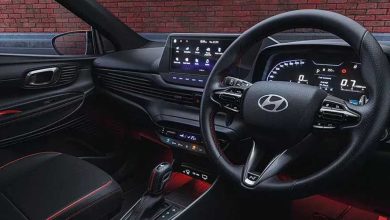
One of the most significant developments is in vehicle lighting. Older cars with fixed halogen headlights required beam deflectors to prevent dazzling oncoming traffic when driving on the right. Today, many newer vehicles are fitted with adaptive or self-levelling headlights that can be adjusted electronically or automatically when crossing borders. Some cars allow drivers to change the beam pattern through the infotainment system, while others detect road orientation via GPS. For these vehicles, physical beam deflectors are no longer required, though drivers should always confirm how their specific model handles this before travelling.
Spare bulb kits are another example of changing relevance. In the past, several European countries required drivers to carry spare bulbs at all times. With the widespread use of LED and xenon lighting systems — which are often sealed and not user-replaceable — enforcement of this rule has softened. While it is still sensible to ensure all lights are functioning before departure, carrying spare bulbs is less critical for modern vehicles, especially those where replacement would require specialist tools.
Emergency and safety equipment remains important, but here too there are modern alternatives. High-visibility vests are still required in France and Spain, but many drivers now keep lightweight, compact versions stored inside the cabin rather than bulky older styles in the boot. Warning triangles have also evolved, with fold-flat designs taking up minimal space. In some countries, electronic warning beacons are being trialled as future replacements, though traditional triangles are still widely accepted.
Navigation and documentation have arguably seen the biggest shift. Paper maps, printed insurance documents, and physical route notes have largely been replaced by smartphone apps and digital storage. Offline maps, real-time traffic updates, and toll-road notifications reduce the need for additional devices. However, drivers should ensure their phone is securely mounted and that roaming settings or data plans are in place to avoid connectivity issues abroad.
One traditional item that still matters is correct vehicle identification. Unlike beam deflectors or spare bulbs, this requirement has not diminished with technology. European authorities continue to enforce clear and accurate country identifiers on number plates, regardless of how modern the vehicle is. Many drivers choose to update their plates permanently through suppliers such as Regplates, removing the need for temporary stickers and ensuring ongoing compliance.
The key takeaway for UK drivers is that European road-trip preparation has become more streamlined, not more complicated. Modern cars are designed with international travel in mind, reducing reliance on add-on accessories. By focusing on what is genuinely required for your vehicle and destination — rather than following outdated checklists — you can travel lighter, drive more confidently, and avoid unnecessary last-minute purchases before setting off.